Know What’s In Your Drugs Instructional Zine
This project was created as part of the Philadelphia Department of Public Health's harm reduction efforts, specifically through the Substance Use Prevention and Harm Reduction (SUPHR) division. The zine was designed for people who use drugs, community members, and outreach workers to provide lifesaving information in a stigma-free, accessible format.
Design Process
-
Xylazine (commonly called “tranq”) was increasingly found in the unregulated drug supply, leading to overdoses and severe wounds that were poorly understood.
There was a lack of accessible, trustworthy, and engaging materials for people most impacted. We needed a resource that was:
Easy to understand regardless of reading level
Visual and multilingual
Distributable through nontraditional networks (e.g. mutual aid, corner stores, street outreach)
-
Researched best practices in overdose response, xylazine withdrawal, and wound care
Interviewed and collaborated with harm reduction specialists and community members
Designed the zine in English, then coordinated translation into other languages based on neighborhood demographics
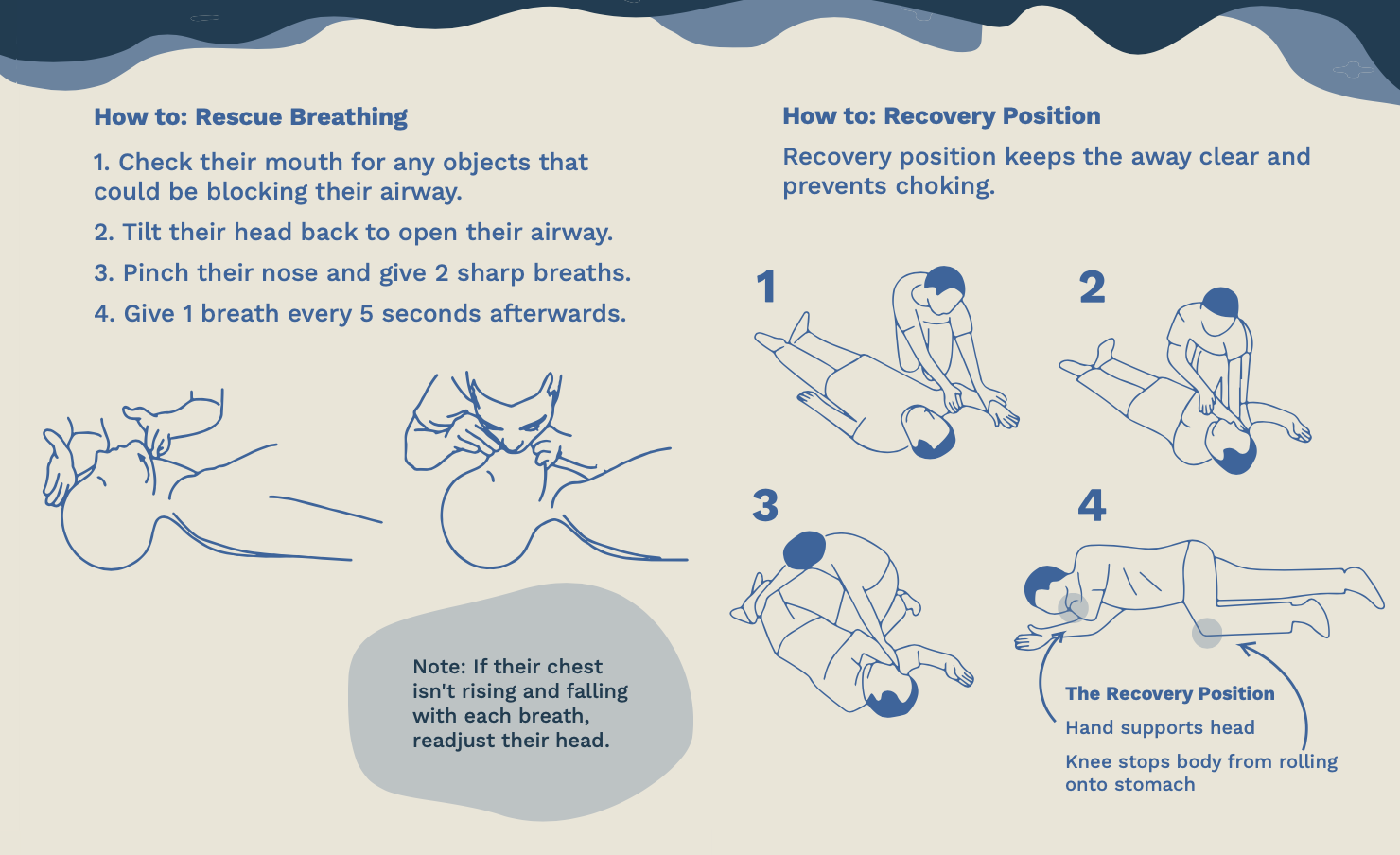
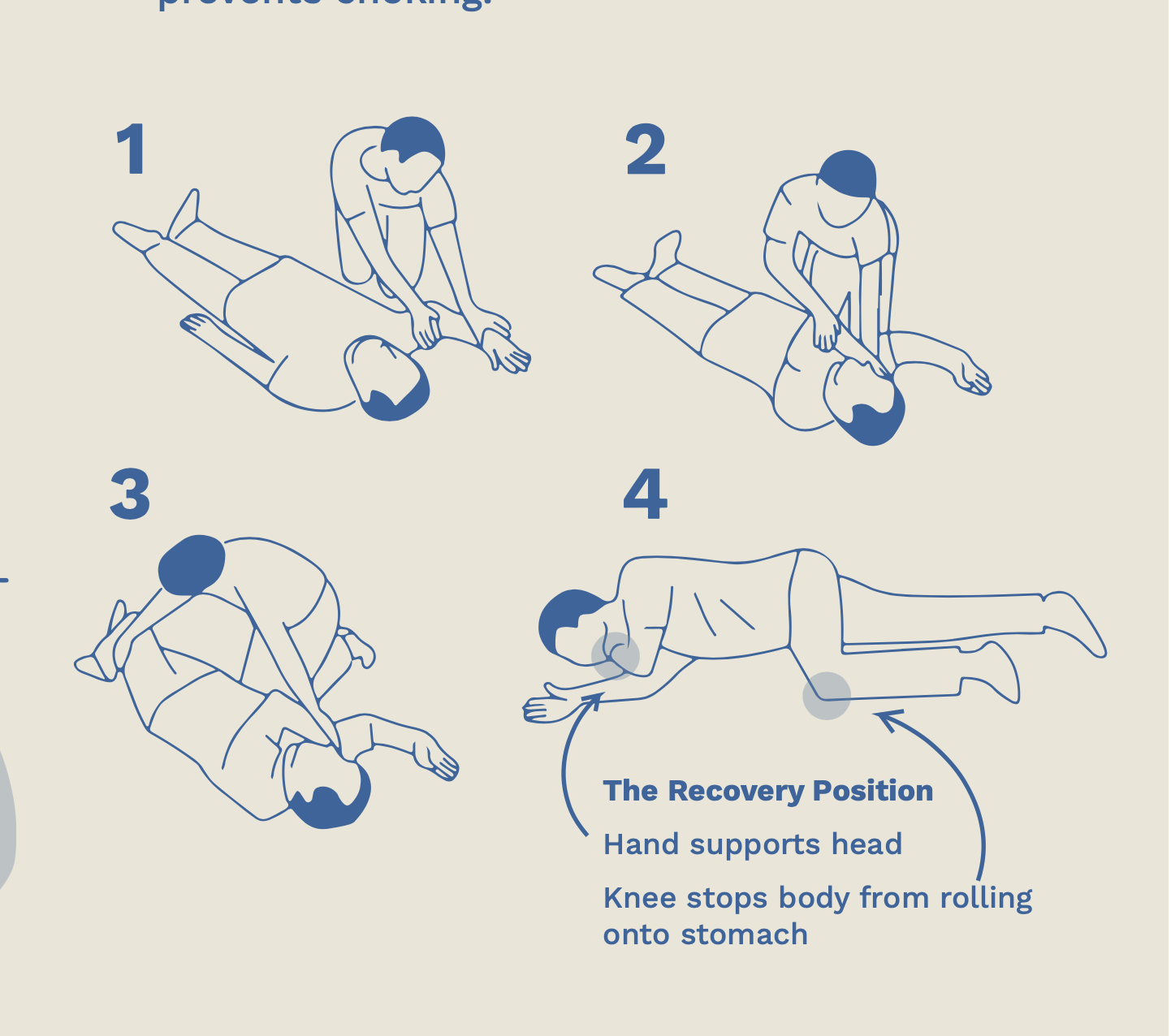
Used plain language, high contrast visuals, and illustrated step-by-step guidance for key skills like rescue breathing
Designed it for easy folding, duplication, and street distribution
-
A pocket-sized, illustrated, and multilingual zine that covers:
What xylazine is and how to identify its presence
Overdose response steps (including visuals of rescue breathing and recovery position)
Info on withdrawal
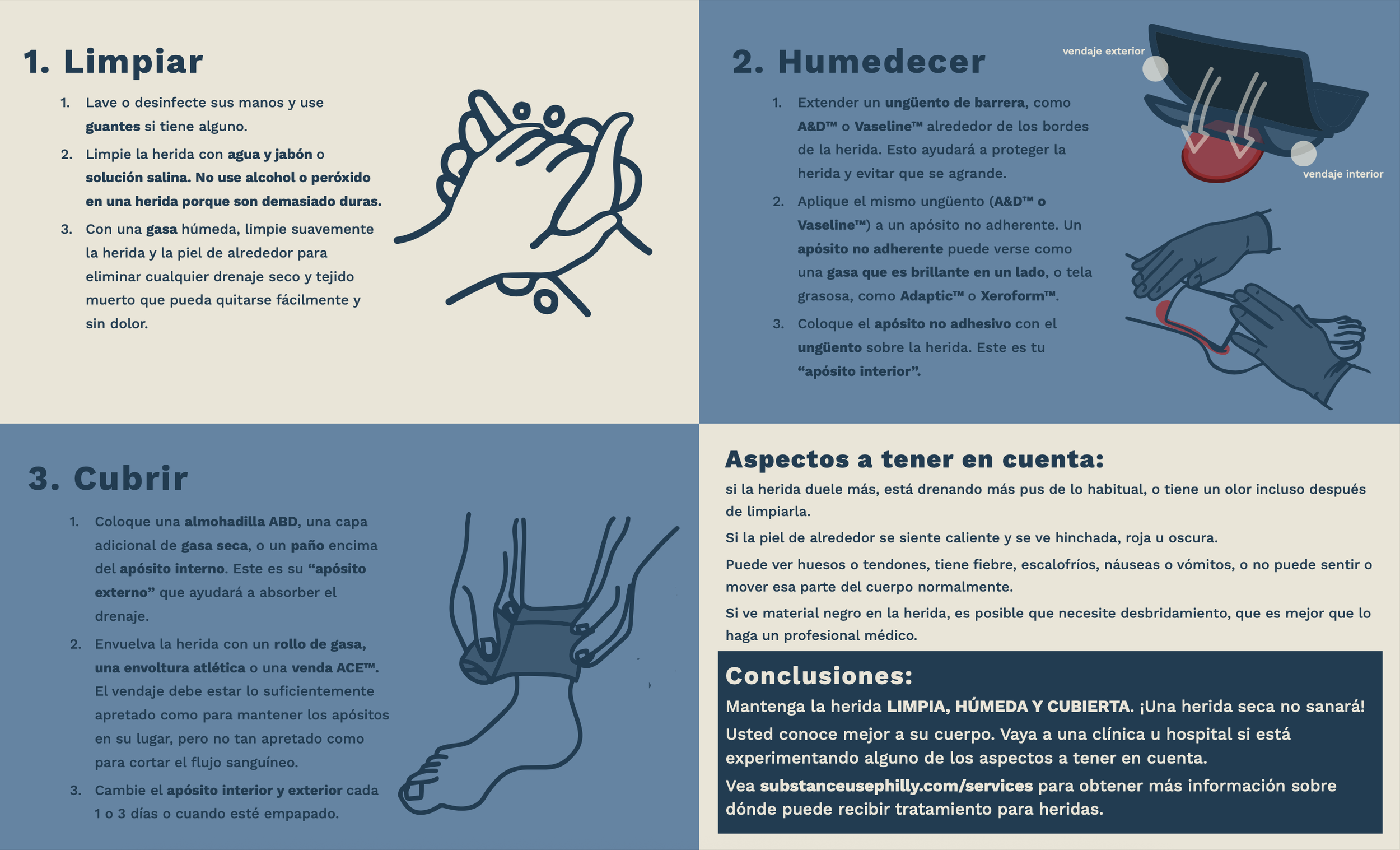
Step-by-step wound care guidance
Local resources for supplies, testing, and support
-
The zine was distributed across Philadelphia via harm reduction teams, community partners, and trusted local business owners
Translated versions were shared in targeted neighborhoods with high overdose rates
Used as a tool in outreach, workshops, and at community events
Ground teams reported positive anecdotal feedback: community members were using and re-sharing the zines
-
If more time and funding were available, I’d love to:
Create a digital version for mobile sharing
Expand accessibility features (e.g. audio or large print versions)
Pair the zine with video demos or workshops on wound care
Incorporate lived-experience voices more deeply in early stages of content creation